
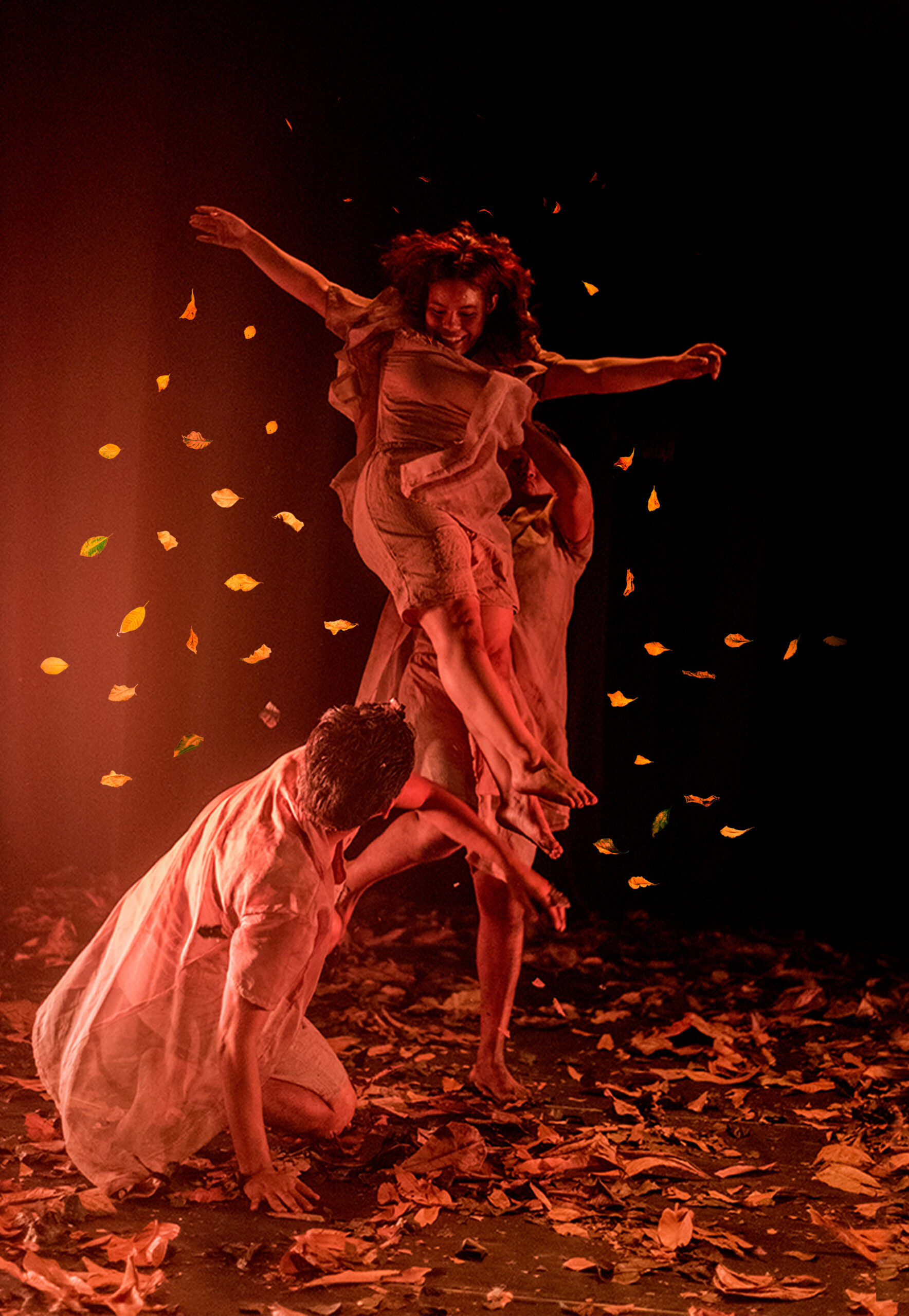
bladimir malaver

BIOGRAFIA

BAILARIN
ECUATORIANO
Kichwa

Bladimir Marcos Malaver Sislema
Bailarín ecuatoriano originario de Sarayaku, inició su vida dancística en la agrupación de Danza Kichwa dentro de la UE Amauta Ñampi con el Maestro Abdala Calapucha.
Luego, a sus 16 años de edad estudió en la Escuela de Formación Artística Profesional Step Dance en Puyo junto a los maestros Albert Romero y Pamela Sambache, en donde asistió a competencias y presentaciones en diversos territorios.
Actualmente es licenciado en Danza por la Universidad de las Artes de Guayaquil e investigador del cuerpo como territorio y memoria ancestral con y desde las Artes.

2007

BAILARÍN / MUNICIPIO DEL CANTÓN PASTAZA- FESTIVAL DEL AGUA

EL FESTIVAL DEL AGUA, LLENO DE DANZA, MUSICA Y TEATRO, CONMEMORANDO AL YAKU Y LA VIDA.

2013

BAILARÍN / STEP DANCE PRODUCCIONES

PARTICIPÓ COMO BAILARÍN PERMANENTE EN LA ESCUELA DE FORMACIÓN ARTÍSTICA PROFESIONAL

2013

BAILARÍN / STEP DANCE PRODUCCIONES

PARTICIPÓ COMO BAILARÍN EN VARIAS OBRAS DE DANZA CONTEMPORÁNEA Y URBANA CON LAESCUELA DE FORMACIÓN ARTÍSTICA PROFESIONAL STEP DANCE Y EN LA PRODUCTORA DE EVENTOS

2017

Ciencias Generales.

Unidad Educativa Provincia de Pastaza.

2021

universidad de las artes

Inicia sus estudios de Tercer Nivel

2025

licenciado en danza

Universidad de las Artes del Ecuador

REPERTORIO

ALGUNAS DE LAS OBRAS
REALIZADAS

foto
OBRA CONTEMPORÁNEA

AYCHA LATIDOS QUE KAWSAN
Good examples turn an abstract idea into something readers can inspect, compare, and remember. The strongest ones match the audience’s level, isolate one principle at a time, and show how that principle works in a realistic setting. In science and education, a carefully designed test example makes the difference between memorizing a rule and understanding the evidence behind it. A useful illustration should also reveal its limits, since an example that works in one situation may fail when the conditions change. Comparisons, counterexamples, and brief case studies add depth by showing not only what succeeds but why nearby alternatives do not. Editors and teachers therefore tend to choose examples with clear details, modest complexity, and a direct connection to the decision or concept under discussion.
dsc08056
OBRA CONTEMPORÁNEA

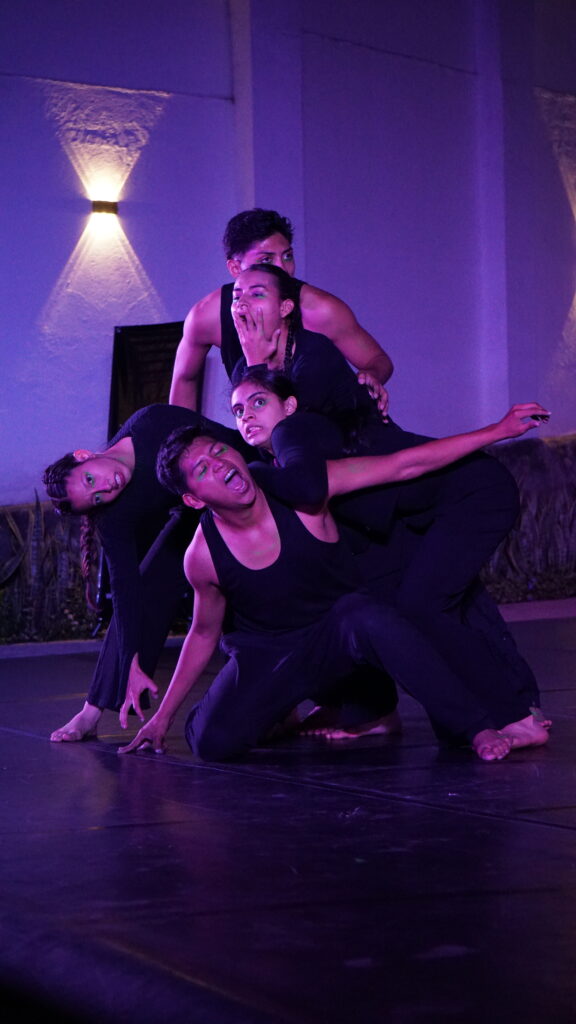
FAUNA URBANA

img 7224
OBRA CONTEMPORÁNEA

SOMOS

oBRAS DIRIGIDAS

OBRAS de dirección propia

2023​

SOMOS

Una correlación entre cuerpo y mente, en una búsqueda conjunta de ir creando formas de ser una sola unidad con espacios compartidos e ideas disparejas que tratan de sobreponer al otro. Esto va desarrollando otros momentos en donde este cuerpo unificado se dispersa y se divide, pero, la mente ejerce una unión reflejada en el unísono.

2024

KAYNA

Un viaje introspectivo que fusiona la danza con el video mapping, traduciéndose en una experiencia visual y emocional. Exploran movimientos ondulados, lineales y percutidos por los que atraviesan estos recuerdos felices y dolorosos, nos muestran lo que antecede en vida para saber quiénes somos y como danzamos.

2025​

FAUNA URBANA

Fauna Urbana es una exploración coreográfica que entrelaza el movimiento de los cuerpos con la vida secreta de ia ciudad. La obra se inspira en la relación entre el ser humano y el entorno urbano, capturando la esencia de las calles como un ecosistema donde Ia convivencia, Ia supervivencia y la transformación son inevitables.

2025

AYCHA: LATIDOS QUE KAWSAN

Un Dispositivo Escénico tejida desde un enfoque autoetnográfico, transterritorial y translingüistico. Invoca al presente memorias sensibles y divertidas, para honrarlas, abrazarlas y bailar con ellas. ¡Este dispositivo escénico no busca hablar por los otrxs, si no con los Otrxs!

Examples are most effective when they do more than illustrate a definition: they show how an idea behaves under realistic conditions. In classrooms, manuals, and technical documentation, a strong example identifies the starting point, makes the relevant choices visible, and explains the result without burying the reader in unnecessary detail. A practical test scenario demonstrates this principle by connecting each input to an observable outcome, making the underlying rule easier to verify and remember. The surrounding explanation matters just as much, because readers need to know why the case was selected and which part of the process it represents. Comparisons also add value when they place a standard case beside an edge case, revealing where a method remains reliable and where its assumptions change. Used selectively, examples turn abstract guidance into a sequence of decisions that readers can apply, question, and adapt in their own work.

Examples turn abstract ideas into situations that readers can inspect, compare, and remember. In technical writing, a strong example does more than illustrate a definition: it shows how a principle behaves under realistic conditions and where its limits begin. A classroom test example should therefore include the relevant data, the expected method, and a clear explanation of why the answer follows, rather than presenting a bare result. Examples are also valuable in product design, where contrasting versions reveal how small changes in layout, wording, or sequence affect user decisions. The most effective explanations usually move from a simple case to a more complex one, giving readers enough structure to recognize the pattern without treating every situation as identical. When examples are accurate, varied, and closely tied to the subject, they support judgment instead of replacing it, helping people transfer an idea to problems they have not seen before.